

What Metals are Used in Men’s Rings?
Style counts, but so does the correct metal…
Tungsten Carbide Rings
Tungsten carbide is an alloy made from tungsten and other metals, often including carbon, nickel, titanium and in some cases cobalt. These elements contribute to desirable qualities such as strength, hardness, scratch resistance, durability, and long-lasting shine. Due to the extreme hardness of tungsten carbide, its main weakness is sudden hard impact, which may cause it to crack or shatter. Dropping the ring onto a hard surface or striking it against something like a brick wall can cause it to break or crack. The same level of weaknesses can be compared to other more expensive metals, such as silver and gold, which easily scratch and lose their lustre. As with all jewellery, a reasonable level of care is required to keep your tungsten ring in excellent condition.
Pros
-
Highly scratch resistant
-
Maintains its shine and won’t discolour or tarnish
-
Weight feels similar to more expensive metals such as gold
-
More affordable than precious metals (silver, gold, platinum)
-
Wide range of styles available
-
Will not wear thin or bend out of shape
-
Hypoallergenic and gentle on most skin types (not recommended for those with severe nickel or cobalt sensitivity)
-
Easy to care for
-
Even after decades, your ring will still look near-new
Cons
-
Cannot be resized
-
Heavier than stainless steel, titanium, or silver (may be a pro for some)
-
Despite being extremely hard, tungsten carbide can fracture under strong impact
-
More expensive than stainless steel or sterling silver
How to Tell if Your Ring is Tungsten Carbide
A high-quality tungsten carbide ring will feel solid with noticeable weight relative to its size. It should also be non-magnetic. If your ring is attracted to a magnet, it is unlikely to be genuine tungsten carbide. This is an easy test you can try at home.
Stainless Steel Rings
Stainless steel used in jewellery is usually an alloy made from steel, iron, carbon, and chromium. It’s a popular choice due to its strength, resistance to heat and corrosion, and its affordability. Stainless steel is inexpensive to produce yet offers great attributes: it is harder to scratch than many common metals, easy to maintain, and generally hypoallergenic due to its low nickel content.
Pros
-
Very affordable
-
Easy to maintain (though polishing is occasionally required)
-
Lightweight and comfortable
-
Eco-friendly and fully recyclable
-
Low electrical conductivity (safer for work around electricity)
-
Can be safely cut off in an emergency
-
Similar look to platinum at a much lower price
Cons
-
Difficult to resize due to its high melting point (many jewellers lack the equipment)
-
May tarnish over time and require polishing
-
Should not be worn in chlorinated pools
-
Limited off-the-shelf size availability
How to Tell if Your Ring is Stainless Steel
Stainless steel is usually lightweight and magnetic, although the magnetic strength varies depending on alloy composition. If your ring is light and attracted to a magnet, it is likely stainless steel (though this does not apply to 316L stainless steel). Poor-quality stainless steel may tarnish and be difficult to polish back to a shine. Acid testing can provide certainty but will damage the ring and is not recommended.
316L Stainless Steel
316L stainless steel is the highest grade of stainless steel commonly used in jewellery. It is extremely corrosion-resistant and durable—so much so that it is used for medical instruments and marine environments. It contains less carbon and higher-quality metals such as chromium and nickel, and may also include titanium, aluminium, or manganese. Due to its higher quality, 316L stainless steel jewellery is often more expensive than standard stainless steel.
Pros & Cons
316L stainless steel offers all the benefits of standard stainless steel but with improved corrosion resistance, longer-lasting shine, and better overall durability. It is also more hypoallergenic and ideal for sensitive skin.
How to Tell if Your Ring is 316L Stainless Steel
Some 316L rings are stamped with “316L”, though not all manufacturers include this. A ring that tarnishes slightly over time but polishes easily back to near-new—and is non-magnetic or only very slightly magnetic—is likely 316L stainless steel. Chemical testing is conclusive but will damage the ring.
925 and Sterling Silver Rings
Sterling silver is an alloy containing 92.5% pure silver and 7.5% other metals, usually copper (though traces of nickel or zinc may also be present). Pure silver (99.9%) is too soft for jewellery, so alloying improves its strength. Sterling silver is popular due to its beauty, value, and ability to be polished to a brilliant shine.
Sterling silver naturally tarnishes over time as the copper or other metals react with oxygen and moisture. This is normal and easily managed through periodic polishing.
Many people ask whether sterling silver is “real silver”. The answer is yes. Just like 18K gold contains real gold with added alloy metals, sterling silver contains genuine silver with added metals for strength.
Pros
-
Long-lasting and durable
-
Bright, shiny, and attractive
-
Can be resized
-
Holds its value
-
Easily polished
-
More affordable than gold or platinum
Cons
-
Softer than stainless steel or tungsten carbide
-
Requires occasional polishing
-
Cheap plated jewellery is sometimes misrepresented as sterling silver
How to Tell if Your Ring is Sterling Silver
The simplest test is the ice test—real silver conducts heat quickly, causing an ice cube to melt faster where the ring sits. Genuine sterling silver may also be stamped “925” or “925s”.
Another simple test is rubbing the ring on white paper—if it leaves a grey or black mark, it’s likely sterling silver.
Titanium Carbide Rings
Titanium carbide rings are made from titanium alloyed with carbon and other metals, creating a strong, durable, and hypoallergenic material. Titanium carbide is extremely strong yet lightweight. It tolerates impact far better than tungsten carbide and will not chip or shatter, though it is not quite as scratch resistant.
Because titanium carbide is harder to work with than tungsten carbide, designs are often simpler. However, many feature intricate etchings and modern inlays such as wood, meteorite, crushed opal, or abalone. Colours can be achieved through anodising, although titanium generally maintains a natural matte finish rather than a high shine.
Pros
-
Excellent fatigue resistance
-
High strength-to-weight ratio
-
Difficult to scratch
-
Great value for money
-
Up to 60% lighter than tungsten carbide
-
Corrosion and heat resistant
-
Will not deform
-
Will not tarnish or discolour
-
Hypoallergenic
Cons
-
Cannot be resized
-
Fewer design options
-
Matte finish rather than high shine
-
Should not be exposed to harsh chemicals such as bleach or ammonia
How to Tell if Your Ring is Titanium Carbide
Titanium carbide is usually non-magnetic, though the exact alloy may vary. Over time, genuine titanium carbide will not tarnish, will resist scratching, and will maintain its shape. Without scientific testing, these characteristics are generally the easiest indicators.
Gold
Gold has long been a traditional choice for engagement and wedding rings due to its warm colour and classic lustre. Gold jewellery is romantic, symbolic, and timeless—but modern alternatives such as tungsten and titanium have become increasingly popular.
Appearance
The alloy metals mixed with gold influence its colour. Common varieties include:
-
Yellow Gold – pure gold mixed with small amounts of copper and silver
-
White Gold – pure gold mixed with palladium and silver, or nickel, copper, and zinc (usually coated with rhodium)
-
Green Gold – gold mixed primarily with silver
-
Rose Gold – gold alloyed with copper; more copper results in a deeper red hue
Purity
Gold purity is measured in karats (K).
-
24K = pure gold (soft and easily damaged)
-
18K = 75% gold
-
14K = 58.5% gold
Lower karat gold (under 18K) is more durable due to a higher percentage of alloy metals.
Pros
-
Durable when alloyed
-
Traditional choice for sentimental jewellery
-
Holds its value
-
Easily resized
-
Can be restyled or repaired
Cons
-
Higher purity means a softer ring
-
Can bend out of shape
-
Conducts heat and electricity
-
Can tarnish
-
Scratches with normal wear
-
More expensive than modern alternatives
-
Not ideal for sensitive skin
-
Should not be exposed to harsh chemicals
Platinum Rings
Platinum has a soft white hue and is about 30 times rarer than gold, with a higher price to match. It is roughly 40% heavier than 14K gold and does not tarnish or oxidise. Due to its density and strength, engraved details appear sharper on platinum jewellery.
Pros
-
Extremely durable and long-lasting
-
Considered a luxury precious metal
-
Holds its value
-
Easily resized
-
Hard-wearing
-
Maintains its shine and appearance
-
Can be re-polished to look new
Cons
-
Very expensive
Resizing Rings
Some people may never need to resize their wedding ring, while others may need adjustments over time. The material of the ring determines how easy (or possible) resizing is.
Softer metals like gold, sterling silver, platinum, and palladium can typically be resized without issue.
Harder metals, such as black zirconium and tungsten carbide, are almost impossible to resize.
Titanium and stainless steel can sometimes be resized, but only within limited ranges and not all jewellers offer the service.
This is something worth considering when choosing a ring.
____________________________________________________
Make the right choice by shopping at www.ringsforhim.com.au
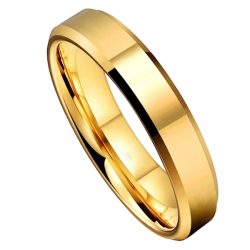
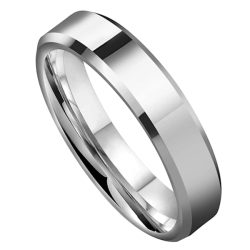
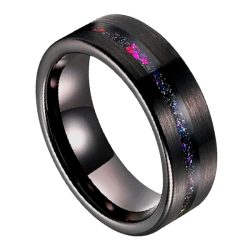
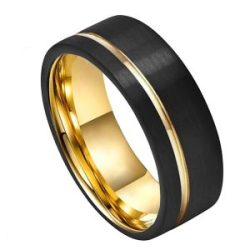
Shop Men's Tungsten Rings





Why Buy From Rings For Him?
At www.ringsforhim.com.au, we specialise in providing a wide range of quality Men’s Rings at affordable prices with great customer service to match. All Men’s Rings showcased on our website are in stock and ready to send directly to our customers from our Brisbane warehouse.